Early Years Vision Statement
 In the Early Years Foundation Stage at Shirley Infant School, our vision is to provide an enabling environment which promotes the learning and development of every child attending our school. Our EYFS curriculum is designed to allow children to develop the knowledge and learning behaviours that they need to succeed in life. Children’s learning is led through a balance of adult-led sessions and carefully planned continuous provision where children have the opportunity to investigate and apply their learning using our inspiring indoor and outdoor environments.
It is our aim that children will leave the EYFS as expressive, independent and reflective learners, who think about themselves and others.
All staff care deeply about the children in our school. We treat all children as individuals and promote positive relationships and secure bonds. We believe that every child matters and all teachers work tirelessly to create an environment that fosters personal social and emotional development. We seek to promote a love of learning through an engaging topic based curriculum building and including the children’s interests throughout.
The characteristics of effective learning* underpin all interactions and activities within our setting. Our learning environments, alongside interactions with our skilled practitioners, are carefully planned and resourced to ensure our children are happy, enthusiastic and confident learners with aspirations to excel in whatever they choose to do.
Early Years Big Picture Overview
If you would like further information, please click on the following link for Development Matters EYFS. When planning our environments, curriculum and tailored individual support we consider the Unique Child. The below highlights the factors which influence a child's development and are at the heart of all of our decisions.

MOOT (Manage Our Own Time) sessions in which children choose their own learning covering all seven areas of learning are also an important feature of Year R provision in our school. MOOT enables our children to explore and solve problems for themselves through enquiry and social interactions. This time allows children's independence and confidence skills to develop and grow.
Please click on the link below to view the notes from our Year R Curriculum Workshops.
Follow this link for how to pronounce the phonemes and digraphs that your children will learn this year: Little Wandle - Resources for Parents.
Please see the table below and the links in this section for each of our half-termly topic overviews:

A little something to read upholding our vision and ethos for the importance of Early Childhood rich experiences:
- How We Support a Child’s Social and Emotional Development - The Princess of Wales and The Centre for Early Childhood launch New film series unpacking the science of social and emotional development in early childhood. Created for professionals and volunteers working with families, including supporting resources to help enable meaningful conversations.
Our first topic is ‘Happy to be Me’ in which we talk about ourselves and our families, our likes and dislikes, and find out more about our new friends. We draw pictures of our family and talk about what is important to us. We look at our family books and talk about how everyone's families are all different. We talk about our favourite things we like to play with and do both at home and at school. We learn our classroom rules and how to use our classroom. We are fabulous at giving new people a guide in our classroom and show them where to find things and how to look after them by putting them away in the right areas.
Our next topic is Dinosaurs where throughout this topic we read lots of fiction and non-fiction Dinosaur stories. We go on our own dinosaur adventures and experience an archaeological dig.

 In maths, we read the story 'Kipper's Toy Box' This helped us build a sense of number and learn to compare, composition and represent numbers to 5. Have a look at our big picture plan for our detailed overview of this half-term. We were busy counting and sorting dinosaurs,
In writing we are using our key texts to emergent write and share what our writing says through making dinosaurs out of clay and thinking of a name for them.
In Expressive art and design we learn how to use different tools to paint a dinosaur. We consolidate our learning about using scissors and different tools safely.
In understanding the world, we learn dinosaur facts and think of what it was like in the past for the dinosaurs.
Pupil Premium Provision:
In this topic, the children's home learning project is to create a family book to share with their peers and teachers in school. The child's class teacher will support them in school when making their family book and talk together in a small group about what activities they like to do. Key vocabulary word mats will be sent home to help consolidate learning in class.
This half-term our topic is ‘Pets’. During this topic:
In Understanding the world and Personal, Social and Emotional development, we look at different pets that people can have and think about how we care for them. We use the non-fiction books to think about and talk to our friends about which pets we have or would like to have.
We read lots of stories to drive our writing:
 My Pet Goldfish
 Lulu gets a cat
 Dear Zoo
 Dear Santa
We learn to write lists using our initial and final sounds. We write lists of all the things a goldfish would need. We write lists of the animals that the zoo sent and then we write a list on our own to Santa of what we would like for Christmas.
We practise our letter formation using the little wandle script. Follow this link for support for phonics and letter formation: Little Wandle - Resources for Parents.
In physical development, we practise strengthening our hand muscles with lots of fine motor activities. This also supports writing, so we have a secure and comfortable grip. We have great fun in our Clever Bodies sessions too, learning about our gross motor control and coordination. The children really enjoy exploring our loose parts stations, creating different pictures and lands with all the natural resources.


In maths, we continue to practise our numbers and to use this knowledge to compare numbers using the language more and less. We also look at 2D shapes (circles, triangles, squares and triangles), learning what they are called and what properties they have. We incorporate position and positional language with this learning and apply it to giving verbal instructions in our writing sessions. The children love measuring the height and length of items and are very investigative with a piece of string.
We love these texts to support our maths learning:


Pupil Premium Provision:
With the teacher the week before the topic begins, the children will suggest pets you might find in a home. They will look at pictures of different pets and ask the children if they have pets at home. During the first week of MOOT in Autumn 2 teachers will spend time reading pet non-fiction books to help build up a bank of knowledge about pets and how to look after them. Vocabulary word banks will be sent home to consolidate learning in class. Each year we aim to take the group to Pet's at home to widen their knowledge.
This half-term our topic is ‘People who help us’.
In Understanding the World, our children will talk about features of the environment they are in and learn about different environments. We look at our community around the school and where we find people who help us. We go on journeys around our school finding all the people who help us and then draw maps of where to find them.
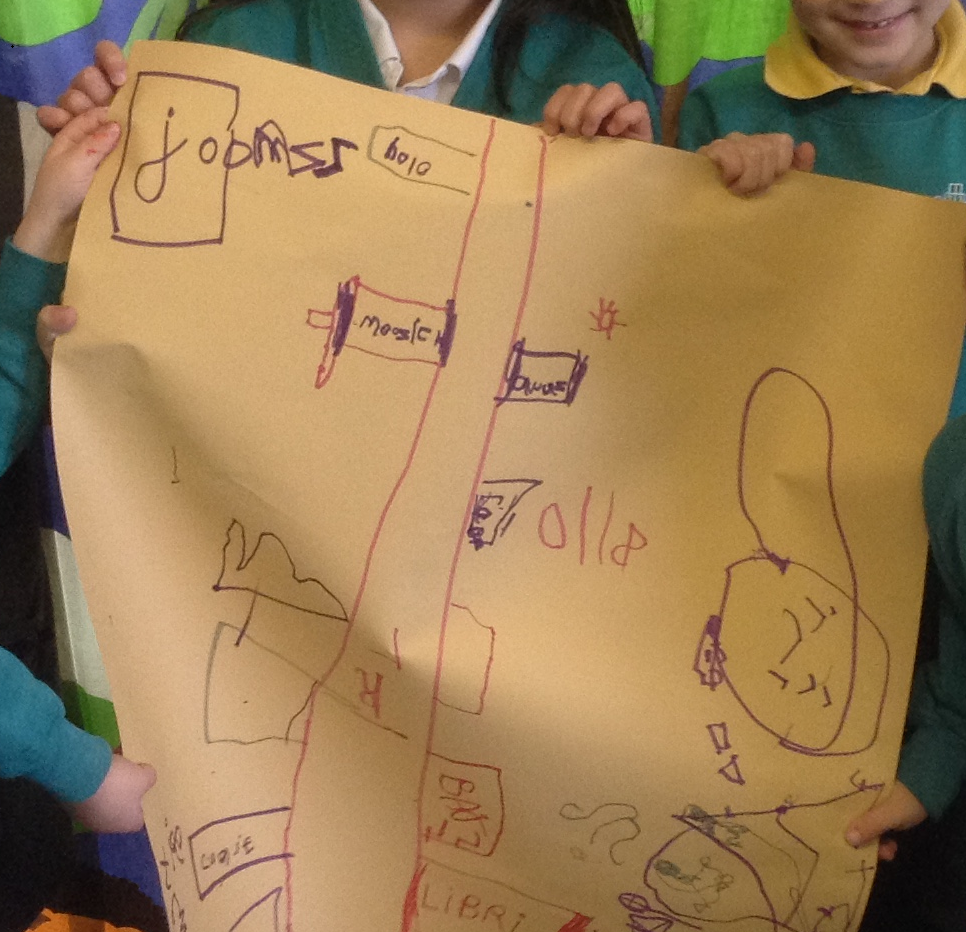
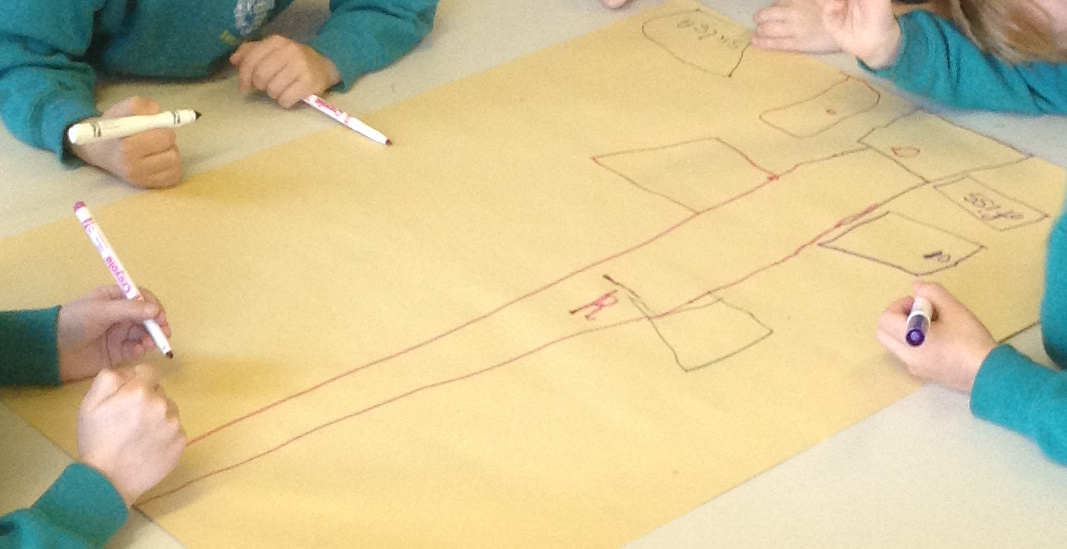
In Personal, Social and Emotional Development, we explore aspirations for what we want to be when we are older and how to look after ourselves. We apply this knowledge during our Hospital Day. The children are given scenarios and use their knowledge to design and create different hospital rooms.

We read lots of stories to support our writing:
 A Superhero
 The Jolly Postman
 and a range of non-fiction texts
This half term we learn to write captions using initial, medial and final sounds. We practise saying our captions aloud before writing them, thinking about how many words are included.
We continue to practise our letter formation using the Little Wandle script.
Phonics and Letter Formation Support
In Physical Development, we take part in Write Dance sessions, developing gross motor control and coordination.
In Maths, we focus on number sense, representing numbers 4–8 through subitising, comparing and composition using prior knowledge of 0–3.
Here is a helpful video explaining what subitising is and why it is important:
Watch Video (Start at 50 Seconds)
We love Numberblocks to support our maths learning:

In Expressive Arts and Design, we explore painting and colour mixing. Children learn about primary colours and how to mix them to create secondary colours.
We use the books:
 The Dot
 Mix It Up
Pupil Premium Provision:
Children watch video clips of people who help us and take part in role-play activities. Where possible, visitors come into school to provide real-life experiences. Pupil Premium children experience activities first, then return to class as "mini-experts". Vocabulary word banks are also sent home to support learning.
Pupil Premium Provision:
During this topic, farm animals come to school. These children will see the animals first in a small group with their teacher to find out about how they are looked after. They will them share their findings with their peers and become mini experts for the visit. Key vocabulary word mats will be sent home to help consolidate learning in class.
Pupil Premium Provision:
Before the hook for this topic, the children will be go in a small group to hear the goldilocks and three bears story. This will be sent home on a dvd for all the children to watch at home to ensure they become really familiar with the story along with nursery rhymes. Key vocabulary word mats will be sent home to consolidate learning in class.
This half-term our topic is ‘Under the Sea’.
In Understanding the World, children learn about the Hindu festival Raksha Bandhan and the concept of love. They explore how to show care and respect to people around them. They also visit the Common to learn about the secret code of SWAF (Shelter, Water, Air and Food), understanding what humans and animals need to stay healthy and safe.
Through our Come Outside Day, children learn about camouflage, floating and sinking, and take part in a summer nature walk to explore seasonal changes. They also learn about weather and safety, including how to stay safe in the sun and at the beach.

In Personal, Social and Emotional Development, we explore changes that happen in our lives. Children learn about planned changes, changes they can control, and those they cannot. There is a strong focus on transition, supported by an individual programme to help children manage their feelings about moving to the next year group.
We read lots of stories to support our writing:
 Clem and Crab
 Commotion in the Ocean
 and a range of non-fiction texts
This half term we focus on writing full sentences using finger spaces, capital letters and full stops. Children are encouraged to correctly use Year R tricky words and begin sentences with a variety of starters. They practise saying sentences aloud before writing and counting how many words are included.
We continue practising letter formation using the Little Wandle script.
Phonics and Letter Formation Support
In Physical Development, we take part in gymnastics sessions to further develop gross motor control and coordination.
In Maths, we explore new concepts such as doubling, sharing and grouping, and odd and even numbers, while developing reasoning skills.
We revisit number composition and practise recalling number bonds to 5 and 10. We also enjoy using Numberblocks to support our learning:
In Expressive Arts and Design, we focus on joining and construction. Children practise different joining techniques to support 3D modelling and create their own structures. They also revisit painting skills by creating a portrait to take with them to their next class.